
Categories
Abilene, TXPublished July 16, 2026
What to Expect When Living in Abilene, TX: Pros and Cons

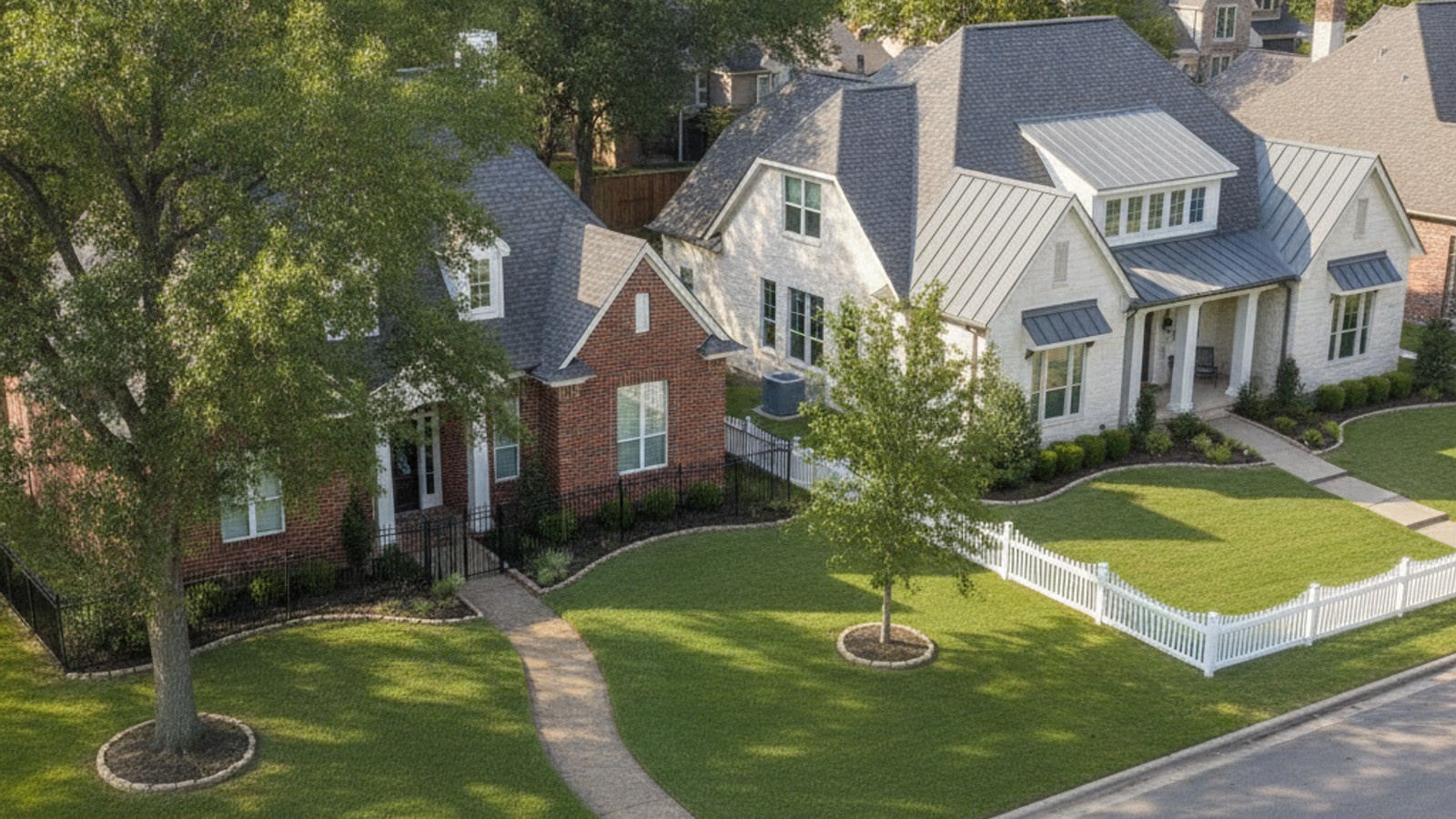
The median home price in Abilene, TX sits around $275,000 - lower than most Texas markets, and that gap is usually the first thing that gets a buyer's attention. Homes are averaging about 20 days on the market, so this isn't a place where you can afford to deliberate for weeks. Preparation is essential for anyone buying a home in Abilene, TX.
Before you start scheduling showings, though, take a clear-eyed look at what daily life actually costs here - including the mortgage, commute times, climate, and what you're trading away by being this far from a major metro.
The Quick Verdict on Abilene
Inventory is tight. Around 186 homes available at any given time means you're looking at roughly one month of supply, which is a seller's market by any measure. What you get for your dollar - mostly traditional single-family homes in established neighborhoods, with some newer builds mixed in - is real. The affordability is real. So is the distance from big-city infrastructure, and so is the West Texas summer.
Pros at a Glance
A median sale price around $275,000 is meaningfully below the state average. That's not spin - it genuinely stretches a budget further than most Texas markets will.
Commute times are shorter than what you'd deal with in a major metro. That time adds up fast when you're not sitting in gridlock every morning.
Cons to Consider
One month of housing supply is thin. You'll need to move quickly and be prepared to compete. About 30% of homes here sell above list price, so "competitive offer" isn't just a phrase.
The summer heat is not exaggerated. It hits your utility bills and your daily routine in ways worth factoring into your actual budget - not just your theoretical one. And if you need a major international airport, plan on a multi-hour drive. That affects more than just vacations.
Factors to Weigh
The core question is straightforward: how much do the housing savings matter to you relative to what you're giving up in big-city access? Run the full number - mortgage, property taxes, homeowners insurance, and summer utility costs - before you decide the price tag makes sense.
Where Abilene Fits on the Map
Abilene sits in the rolling plains of West Texas, functioning as a regional hub for the surrounding rural counties. The city limits cross multiple county lines, which matters practically - your specific property address determines which county tax assessor you'll be dealing with.
Interstate 20 runs straight through, which is the main artery for getting anywhere else in the state. That said, residents routinely plan for two- to three-hour drives when they need a major international airport or a large retail center. That's just the reality of the location, and it shapes everything from weekend plans to where you'll go for specialized medical care.
Location and Metro Access
The I-20 corridor gives you a direct route to other Texas hubs, but "direct" and "quick" aren't the same thing out here. Build the drive times into your life planning before you commit.
Population and Size
The population has grown steadily, driven partly by regional economic shifts and the presence of local military and educational institutions. For current counts and demographic detail, the U.S. Census Bureau's reports on the city are your most reliable source.
Crime Statistics and Data Sources
Crime data is one of those areas where the source matters enormously. Third-party aggregator sites and social media posts are not reliable - the numbers get stripped of context and often reflect outdated or misapplied methodology.
The Abilene Police Department, local county sheriff's offices, and the FBI's Uniform Crime Reporting (UCR) program all publish annual data. Go there first.
How Crime Rates Are Measured Here
Local law enforcement tracks property crimes - theft, burglary - alongside violent crimes, and reports them as a rate per 100,000 residents. That standardized rate is what allows you to make meaningful year-over-year comparisons rather than just reacting to raw numbers.
Finding Official Crime Data
The Abilene Police Department's website publishes annual reports you can access directly. The Texas Department of Public Safety also maintains a statewide portal with county-level data if you want a broader picture.
Researching Specific Areas
If you're looking at a particular listing, use the city's online crime mapping tools to pull recent police response data near that address. It's concrete, localized, and gives you something real to work with before you make an offer.
Cost of Living and Housing Prices
Homes here are selling at an average of 99.6% of list price. That number tells you this market doesn't have much negotiating room built into it - come in prepared, not aspirational.
Housing costs are lower than the national average, but the monthly carrying costs don't stop at the mortgage. Property taxes, homeowners insurance, and utility bills that spike hard in summer will all hit your budget in ways worth modeling out before you close.
Home Prices and Rent
Median sale price around $275,000, roughly 20 days on market, and about 30% of homes selling above list. That's the environment you're buying into. Inventory is limited, demand is real, and well-priced homes don't sit.
Everyday Expenses
Grocery and transportation costs track closely with state averages. Utility bills are the variable that surprises people - summer air-conditioning in West Texas is not optional, and the bills reflect that. The flip side is that without significant traffic congestion, daily fuel consumption stays manageable.
Population and Community Basics
Healthcare, education, and the nearby military base form the backbone of the local economy. That mix creates a steady flow of residents moving in and out - which is part of why the housing market stays active even with limited inventory. The most recent tracking month showed 183 homes sold.
For median household income and median home value figures, the U.S. Census Bureau's data for the city is the right place to look.
Growth and Age Profile
Long-term residents, university students, and military personnel on temporary assignments create a population that turns over more than you'd see in a comparable-sized city without those institutions. That churn keeps the market moving.
Local Amenities and Civic Life
University events, downtown festivals, and regional rodeos anchor a lot of the civic calendar. The city maintains public libraries, recreation centers, and community facilities that run programming year-round - it's not nothing, but it's also not what you'd find in a major metro.
Climate, Amenities, and Daily Life
Semi-arid means low rainfall and a lot of sunshine. Spring and fall are genuinely pleasant, and residents make good use of the park system during those months. Summer is a different story - temperatures routinely climb into the upper 90s and beyond, and that shapes your daily routine whether you plan for it or not.
Weather and Natural Hazards
Intense summer heat, high winds, severe spring thunderstorms, and tornado risk are all part of the West Texas weather package. Wind and hail damage are common enough here that you need to confirm your homeowners insurance covers both before you close - not after.
Local Activities
There are museums, a local zoo, public parks with walking trails and sports fields, community theater, local dining, and regional shopping. It's not a massive entertainment district, but there's enough to support a normal social life without driving two hours each way.
Tap Water Quality
Municipal water comes from regional lakes and is treated at local facilities. The city's water department publishes an annual Consumer Confidence Report with exact testing results - that's the document to read if you want specifics on quality and safety standards.
Abilene vs. Nearby Texas Cities
The comparison to larger Texas markets almost always comes down to the same trade-off: lower cost of living against fewer amenities and more distance from everything. What differs is how much each of those things actually affects your day.
Look at the concrete numbers, not just the general sense of "cheaper." Median prices, commute times, and property types are the variables worth comparing directly.
Comparing Costs and Commutes
At a median of $275,000, Abilene's home prices are generally lower than what you'll find in the state's major urban centers. A typical cross-town commute runs 15 to 20 minutes - not because the city is poorly designed, just because traffic isn't the problem here that it is in larger markets where commuters routinely log over an hour each way.
Housing Type Differences
Abilene's inventory is primarily traditional single-family detached homes on standard lots. You'll find a smaller selection of townhomes and some rural acreage properties on the outskirts. The high-rise condos, massive master-planned communities, and dense urban townhomes - those belong to bigger markets.
Senior, Assisted, and Sober Living Options
Specialized housing options exist across multiple life stages and care levels here, spread throughout the city rather than concentrated in one area. Families researching these options should know upfront that availability fluctuates and waitlists are common.
Contact facilities directly to verify current openings and care levels. That's the only way to get accurate, current information.
Senior and Assisted Living
The city has independent senior living communities, assisted living facilities, and memory care centers. The range goes from apartment-style setups with basic amenities to full-service campuses with daily medical supervision and meals.
Sober Living Facilities
Several sober living homes and transitional housing programs operate here, generally working in coordination with local outpatient treatment centers. These are structured environments - not just housing.
Amenities by Life Stage
Most residential neighborhoods have reasonably quick access to schools, healthcare, and parks - the city's layout works in your favor there. But knowing where specific facilities are relative to a listing you're considering can make a real difference in how livable a neighborhood feels day to day.
Schools and Parks
The area has public school districts alongside private and charter options. School district websites publish official attendance zones and boundary maps - that's where to look when you're evaluating a specific address, not generalized neighborhood descriptions. The city also maintains parks with playgrounds, splash pads, and athletic courts throughout.
Dining and Nightlife
Downtown has seen revitalization - local breweries, coffee shops, independent restaurants. Nightlife is quieter than a major city, but there's enough happening to support regular weekend outings and live music without leaving town every time.
Healthcare Services
Regional hospitals and specialized clinics handle emergency care, surgical procedures, and a range of specialists locally. Most standard medical needs don't require a drive to a larger city, which matters more than people initially expect when they're evaluating a market this far from a major metro.
Frequently Asked Questions (FAQ)
Is the cost of living in Abilene, TX lower than in major Texas cities?
Yes. With a median home price around $275,000, housing costs are noticeably lower than in major Texas hubs. Everyday expenses like groceries and transportation also tend to align with or fall slightly below state averages.
What are the biggest downsides or hidden challenges of moving to Abilene?
Intense summer heat, the risk of severe spring weather including hail, and limited housing inventory are the primary ones. Reaching a major international airport also requires a multi-hour drive.
What is the job market like in Abilene if you aren't stationed at Dyess Air Force Base?
Outside of the military, the local economy leans heavily on healthcare systems, local universities, and public school districts as major employers.
Why is Abilene, TX often recommended as a good place to raise a family?
The city has concrete amenities - a local zoo, multiple public parks with splash pads, and a network of public libraries. Shorter average commute times mean residents are spending less time in traffic and more time at home.
What should I expect from the weather and summer heat when living in Abilene?
A semi-arid climate with abundant sunshine and summers where temperatures frequently exceed 90 degrees. Spring brings severe thunderstorms, high winds, and hail - standard homeowners insurance isn't optional here, it's a practical necessity.
Are home prices and property taxes in Abilene affordable for a typical homebuyer?
Home prices are relatively affordable at a median of $275,000. Texas has no state income tax, which means local municipalities rely heavily on property taxes to fund services - calculate your estimated annual tax bill carefully before you decide the purchase price fits your budget.

Amber Kimmel
| Kimmel Collective Real Estate Team | Keller Williams Realty
or another way