
Categories
Abilene, TXPublished September 1, 2026
The History of Abilene, TX: Origins, Naming, and Local Landmarks

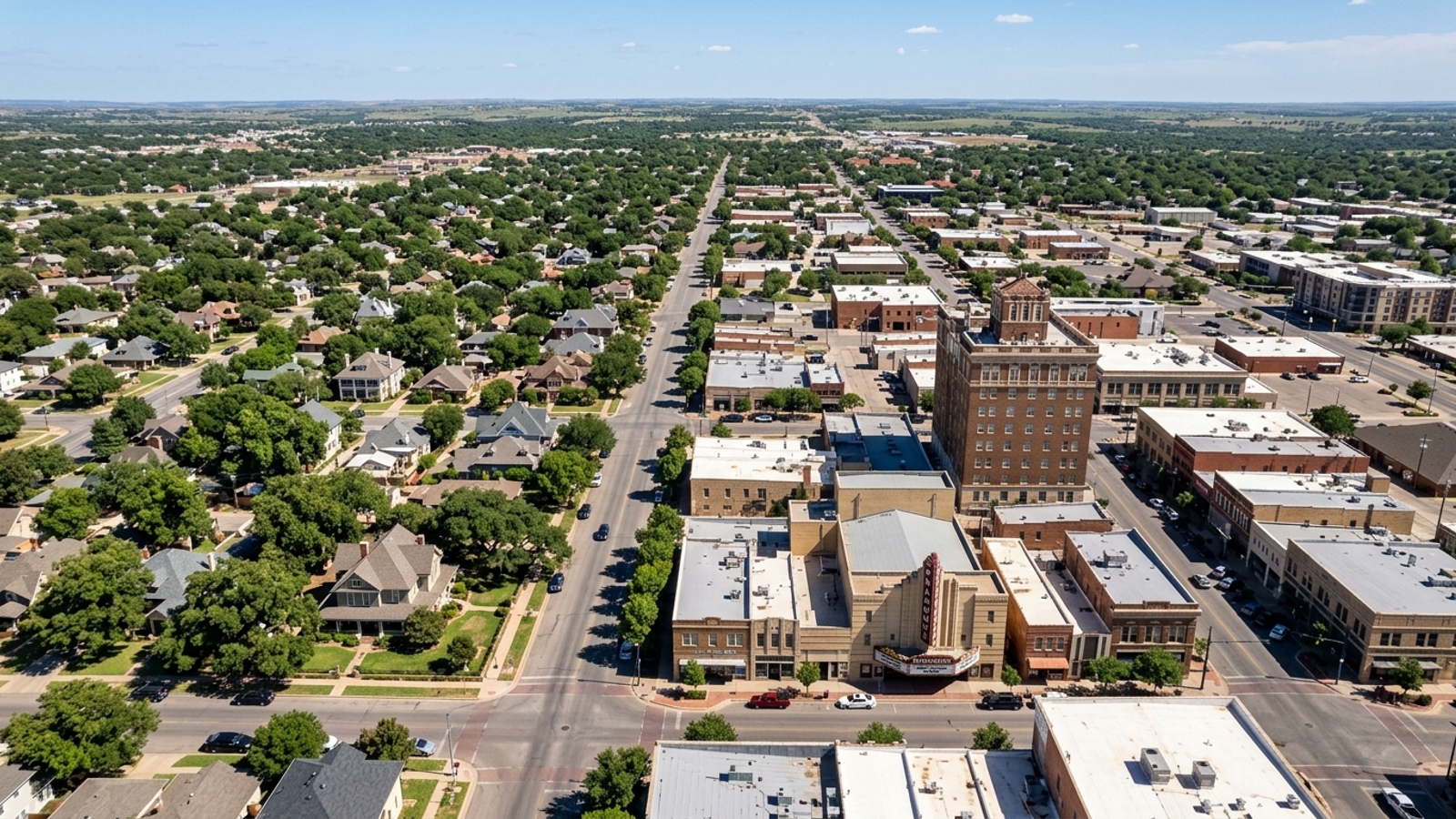
If you're buying in Abilene, TX in 2026, you're looking at a market where homes are moving in roughly 20 days and median prices are sitting around $275,000. That's a fast-paced environment, and most buyers I talk to want to understand the pros and cons of living in Abilene before they commit - not just the square footage and the school ratings. What they find is a place that grew out of a 19th-century railroad town, spread deliberately across the West Texas plains, and never really stopped.
Abilene anchors a metropolitan area covering three counties. The 2020 census counted 176,579 residents across that footprint. The historic downtown architecture and local museums you'll notice when you drive through aren't decorative - they're what's left of a city that started from scratch in 1881 and built fast.
Abilene at a Glance: Founding and Early Timeline
Abilene was officially established on March 15, 1881, and the founding was tied directly to one thing: the Texas and Pacific Railway arrived in January of that year. J. Stoddard Johnston and other railroad officials platted the original townsite to take advantage of that new transportation route. They moved quickly.
The initial land auction worked exactly as they'd hoped. Buyers purchased more than 300 lots within the first two days. That early momentum set the tone for the agricultural and commercial growth that followed over the next several decades.
The Meaning Behind the Name Abilene
The name came from landowner Clabe Merchant, who's often called the "father of Abilene." He chose it deliberately, modeling it after Abilene, Kansas - the primary railhead for northern cattle drives at the time. The hope was straightforward: replicate that economic success in West Texas.
The word itself goes back further than Kansas. In Hebrew, Abilene translates to "grassy plain" - which, if you've driven through this part of the state, you'll recognize as an accurate description.
Where Abilene Sits on the Texas Map
The city limits cross into two separate jurisdictions - Taylor County and Jones County - with Abilene serving as the county seat for Taylor County. That's where the primary municipal and legal operations for the area are housed.
Pull back further and the broader Abilene Metropolitan Statistical Area takes in Taylor, Jones, and Callahan counties. That regional footprint matters for buyers, because the housing market reflects it: current inventory sits at around 186 available homes, and about 30% of recent sales have closed above list price. Demand is real across the metro, not just in one pocket.
Historic Landmarks and Museums in Abilene
The city maintains several institutions dedicated to preserving its frontier and military past. Frontier Texas! gives visitors an immersive look at the Texas frontier from 1780 to 1880, using life-sized holographic figures to tell early settlement stories. The Grace Museum focuses on the evolving social history of West Texas. The 12th Armored Division Memorial Museum covers the region's World War II history. The Taylor County History Center rounds things out with broader context on local development.
These aren't afterthoughts. They're part of why buyers who relocate here often talk about the city feeling like it has actual texture.
Preserving the Paramount Theatre and Downtown
Downtown Abilene holds onto a real concentration of early 20th-century architecture. The Paramount Theatre opened in May 1930, funded by local businessman Horace O. Wooten, and the Texas Historical Commission later designated it a Recorded Texas Historic Landmark. It's still standing in the central grid alongside other surviving structures - the Swenson House, the original Texas & Pacific Railroad Depot, and the Hotel Wooten.
Buyers who explore the older sections of downtown tend to either fall for them immediately or have a lot of questions about what ownership actually means. Both reactions are reasonable. The FAQ section below addresses the most common ones.
Frequently Asked Questions About Historic Homes in Abilene
Which historic neighborhoods in Abilene, TX are best for homebuyers looking for restored properties?
It depends on your budget and what architectural era you're drawn to. Buyers interested in historic properties generally look near the central downtown area, which is where you'll find original landmarks like the Swenson House and the Hotel Wooten. You'll need to check current local listings to see what's actually available and in what condition.
Are there special zoning rules or restrictions for remodeling homes in Abilene's historic districts?
Yes. Historic districts typically enforce specific zoning rules to maintain architectural integrity. If a home sits near Recorded Texas Historic Landmarks like the Paramount Theatre, exterior renovations may require approval from a local historical commission. Verify all remodeling restrictions with the city planning office before you're under contract - not after.
Do Abilene homeowners get property tax breaks for buying and preserving historical houses?
It depends on the property's official designation and local tax policies. Some designated properties may qualify for municipal or state tax incentives if they undergo approved preservation work. For specifics, you'll want to go directly to the Taylor County or Jones County tax assessor.
How can I find the original build date and past ownership history of my property in Abilene?
County offices are your starting point. Since Abilene sits in both Taylor and Jones counties, you'll need to search the property records in whichever county the home falls in. The Taylor County History Center may also have resources for researching older residential plots.
What happens if I buy a home in Abilene that has an official Texas Historical Marker?
A Recorded Texas Historic Landmark designation means the property holds recognized historical significance. It doesn't automatically prevent you from selling or modifying the interior - but exterior changes often require review by the Texas Historical Commission. Know that going in.
Do historic homes in central Abilene hold their resale value better than new builds in the southern subdivisions?
Honest answer: it depends on the specific property's condition and market demand. The median sale price in Abilene is currently around $275,000, but historic homes carry different maintenance requirements than new builds, and that affects appraisal value. Pull recent comparable sales in both areas before you draw any conclusions.

Amber Kimmel
| Kimmel Collective Real Estate Team | Keller Williams Realty
or another way