
Categories
Abilene, TXPublished September 1, 2026
Buying a Home in Abilene, TX vs Plano: 2026 Market Differences

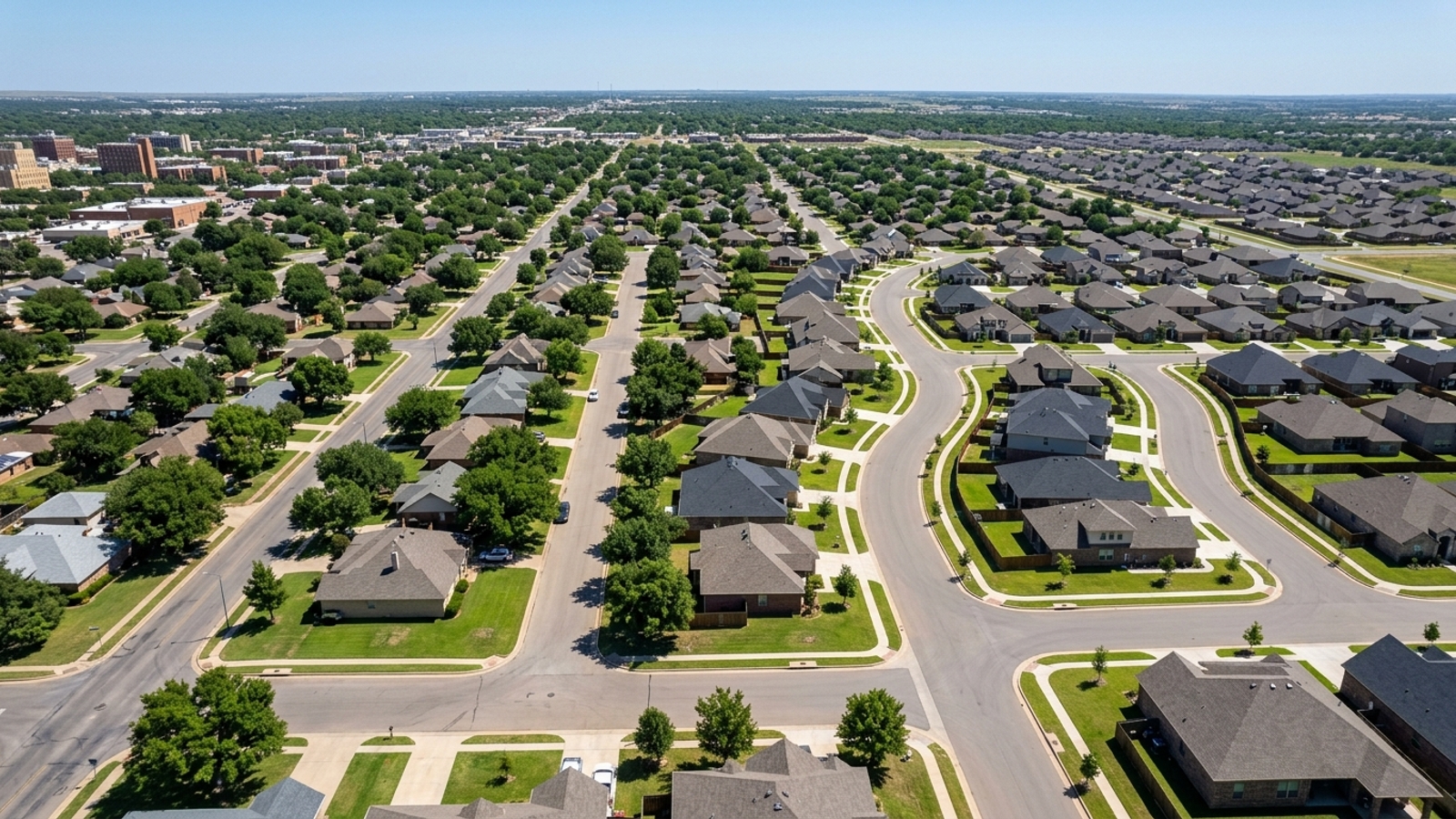
If you're weighing a move between West Texas and the DFW Metroplex, you're looking at two genuinely different real estate worlds. Abilene is a mid-sized city with its own self-contained economy. Plano sits inside one of the fastest-moving suburban markets in the country.
What it really comes down to is your housing budget, your tolerance for property taxes, and what you want your day-to-day life to look like. Running the numbers side by side tends to make the pros and cons of living in Abilene a lot clearer.
Comparing the Housing Markets
The price gap alone tells you most of what you need to know. As of mid-2026, the median home sale price in Abilene is around $274,990. Plano's median sale price, based on late 2025 data, sits near $522,500. That's roughly $247,000 in difference - and in practical terms, that gap means an entirely different category of home.
Both markets have their own rhythms. Plano is driven heavily by DFW commuters, which keeps demand high and prices elevated. Abilene draws from a more localized buyer pool, but don't let that fool you into thinking the market is slow - well-priced homes there still move.
Home Prices and Market Pace
Abilene is tighter than most people expect. Homes are spending roughly 20 days on the market before going under contract, sellers are collecting about 99.6% of list price, and around 30% of homes are selling above asking. Total inventory is sitting at approximately 186 available homes - about one month of supply. That's not a lot of room to negotiate.
For buyers relocating from Plano, the purchasing power shift is real. What gets you an older, smaller property in Plano will often buy you a larger lot or newer construction in Abilene. That's not a small thing when you're planning a long-term move.
Types of Homes Available
The housing stock in each city reflects when and how it grew. Plano is heavy on master-planned developments, brick traditional homes, and newer infill construction - the kind of suburban fabric that came together during the DFW boom years.
Abilene offers a mix of established neighborhoods closer to the city's core and newer construction tracts pushing out toward the edges. Layout norms and lot sizes vary, so it's worth being specific about what you're targeting before you start touring.
Property Taxes and Living Expenses
Texas property taxes are a real line item no matter where you land, and both cities carry rates above the state median of 1.48%. Abilene's median effective rate is approximately 1.64%. Plano's combined rate comes in around 1.71%.
That gap looks narrow on paper. Applied to Plano's much higher home values, though, the actual annual tax bill in the DFW suburb is substantially larger than what you'd pay in West Texas.
Property Tax Breakdown
Texas property taxes stack across multiple jurisdictions - city, county, school district, and sometimes a college district. For the 2024-2025 fiscal year, Abilene's municipal rate is $0.7607 per $100 of valuation. That's just the city's slice; school and county taxes come on top.
Plano's municipal rate for 2025-2026 runs about $0.4376 per $100 of value - lower than Abilene's city rate on its own. But once you add in the county, local school districts, and the college district, Plano's combined effective rate clears Abilene's total. It's worth reading those numbers carefully before assuming the lower city rate means a lighter bill.
Everyday Expenses
The mortgage and tax numbers are only part of the picture. Utilities, transportation, and groceries generally run lower in Abilene than across the DFW Metroplex. For buyers watching their monthly cash flow, that gap in everyday costs can add up to real money over time - money that can go toward renovations, travel, or just not feeling stretched thin every month.
Employment and Daily Commutes
Abilene's economy runs on a handful of anchors. Dyess Air Force Base, Hendrick Health System, and Abilene Christian University are the most prominent. Manufacturing and food processing round things out, with AbiMar Foods, RENTECH, and Great Lakes Cheese all maintaining significant operations in the city. Blue Cross Blue Shield of Texas also has a meaningful presence there. That mix of institutional and industrial employers creates fairly stable, consistent housing demand across different parts of the city.
Commute patterns in Abilene are shaped by regional highways, and traffic congestion is a different experience than what DFW commuters are used to. Plano residents deal with denser arterial networks and lean on public transit options to reach employment centers spread across North Texas. If your job is in Plano and you're considering Abilene as a remote-work relocation, the commute calculus changes entirely - but if you're commuting daily, that's a real factor to weigh.
Parks, Dining, and Community Amenities
Both cities have libraries, recreation centers, and community facilities. The difference is mostly one of scale and density, which tracks with the population difference between a DFW suburb and a mid-sized West Texas city.
If you're moving from Plano to Abilene, the shift in commercial concentration is probably the most noticeable adjustment. Plano's retail and dining options are dense and clustered throughout the suburb. Abilene's footprint is more spread out and locally anchored.
Outdoor Recreation
Plano's parks department manages an extensive network of paved trails and green spaces woven through its neighborhoods. Abilene has its own parks distributed across the city. One practical advantage on the Abilene side: the warmer West Texas climate means outdoor facilities get used year-round.
Shopping and Dining
Plano gives you immediate access to major regional malls, high-end retail, upscale restaurants, and a dense mix of national chains and local spots. It's what you'd expect from a well-established DFW suburb.
Abilene has its own shopping districts and a dining scene that's been growing. The honest caveat: if you're after specialized luxury retail, most Abilene residents make weekend trips to the broader DFW Metroplex for that. It's not a dealbreaker for everyone, but it's worth knowing going in.
Frequently Asked Questions
How much cheaper is buying a house in Abilene, TX compared to Plano?
Significantly cheaper. As of mid-2026, Abilene's median home price is roughly $274,990. Plano's sits closer to $522,500. That's a difference of nearly $250,000 in median price alone.
Do I pay less in property taxes living in Abilene versus a Dallas suburb like Plano?
Yes, generally. Abilene's median effective tax rate is around 1.64%, compared to Plano's 1.71%. But the bigger difference is the home value those rates are applied to - Abilene's lower median means the actual annual tax bill is much smaller even if the rates were identical.
What are the biggest differences in daily commute and traffic between Abilene and Plano?
Volume and density. Abilene commuters use local and regional highways with generally lighter traffic. Plano residents are working with denser DFW arterial roads and have access to regional public transit options for reaching employment centers across North Texas.
Will I lose access to major shopping and healthcare amenities if I move from Plano to Abilene?
It depends on what you actually use. Hendrick Health System is a major employer and healthcare provider in Abilene, so medical access is there. Shopping is more localized - Abilene has established commercial centers, but it doesn't match Plano's density of large-scale retail. Residents looking for specialized luxury retail tend to make trips to DFW.
Is Abilene, TX a better real estate market for first-time homebuyers than Plano?
That depends entirely on your budget and where your job is. Abilene's median of $274,990 puts homeownership within reach for a lot of first-time buyers who'd be priced out at Plano's $522,500 median. The catch is inventory - with only about one month of supply available, competition is real and you'll need to be ready to move when something good comes up.
How long does it typically take to close on a home in Abilene if I am relocating from the Plano area?
Homes in Abilene are spending a median of just 20 days on the market before going under contract, so the first thing to know is that you don't have a lot of time to think once you find something you like. After you're under contract, the closing timeline comes down to your specific lender and loan type - typically 30 to 45 days.

Amber Kimmel
| Kimmel Collective Real Estate Team | Keller Williams Realty
or another way