
Categories
Abilene, TXPublished September 1, 2026
Guide to Getting Around Abilene, TX: Transit, Driving, and Commuting in 2026

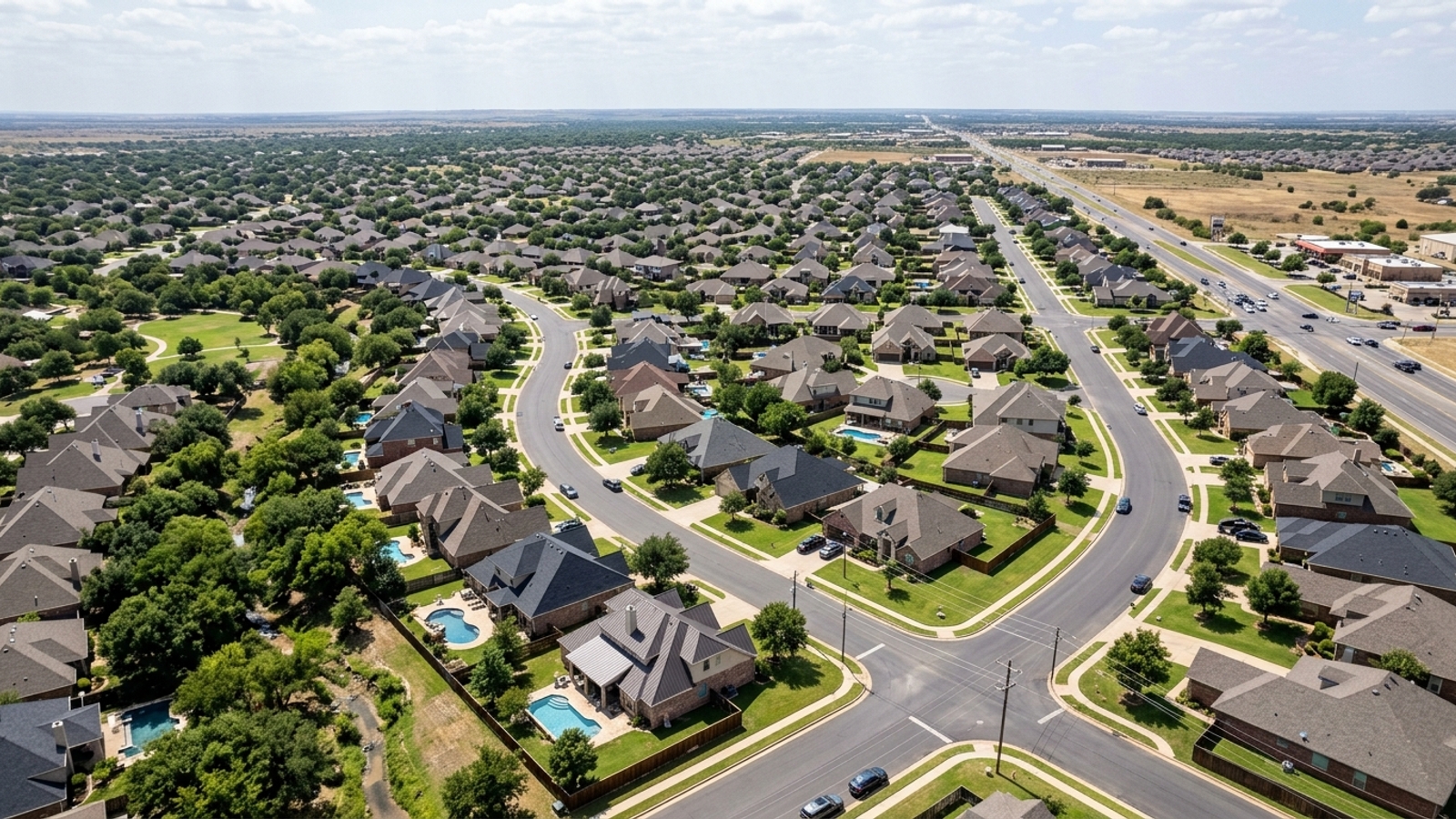
Abilene, TX, sits along the I-20 corridor and functions as the regional transportation hub for West Texas, a key detail for anyone weighing the pros and cons of living in Abilene. Day to day, residents get around on a mix of personal vehicles and local transit - whether they're heading to work, school, or one of the shopping centers spread across the city.
The local housing market moves fast. Available inventory is sitting at roughly 186 homes, and properties are spending about 20 days on the market before selling. If you're one of the buyers looking at that inventory, understanding commute routes, highway access, and your transit options isn't just useful background - it can genuinely determine which part of the city makes sense for you.
Arriving in Abilene by Car or Plane
Most people driving into the city come in on Interstate 20, which cuts directly through the northern section of town and connects Abilene to Dallas and Fort Worth to the east. US-83, US-84, and US-277 handle the north-south and diagonal approaches into the downtown area.
For air travel, Abilene Regional Airport (ABI) handles regional flights that connect to larger hubs. If you need a direct flight into a major international hub, you're most likely flying into Dallas/Fort Worth (DFW) and either driving or booking a shuttle for the last leg. The drive from the DFW area stays on major highways the whole way - straightforward, if not short.
Public Transit Options and CityLink Routes
Abilene's public transportation runs through CityLink, which operates on a pulse system built around the Downtown Transfer Station at 1189 S. 2nd Street. Every route except the S30 Crosstown departs from and returns to that central hub. The network covers 13 routes total - seven that run on weekdays and six on Saturdays.
Weekday service starts around 6:15 a.m. and wraps up by 6:15 p.m. Saturday service begins a little later, at 7:15 a.m., and ends at the same time. There's no Sunday or major holiday service, full stop. Daily routes hit most of the major employment and shopping destinations: ACU, the zoo, the mall, Southwest Wal-Mart, Dyess, Five Points, Willis/Mockingbird, and Hendrick/Old Anson.
Current Bus Fares and Passes
As of 2026, adult fixed-route fares are $1.50 per ride. Youth fares come in at $1.00. If you ride often, a day pass runs $3.00, a seven-day pass is $15.00, and a 31-day monthly pass costs $53 - though that monthly pass price goes up to $61 on October 1, 2026, so worth factoring in if you're budgeting ahead.
ADA paratransit service costs $2.00 for the regular service area and $3.00 for the extended service area. Riders who qualify for a reduced-fare ID card can get one for $2.00, and it stays valid for two years.
Walkability and Driving in the City
Abilene has a citywide average Walk Score of 31. That number tells you most of what you need to know: most daily errands require a car. Bike infrastructure is minimal, and the outer residential areas are fully car-dependent, with Walk Scores dropping as low as 3 to 24 in some of those neighborhoods.
A personal vehicle is the most practical way to get around and commute. The median home price here sits at approximately $275,000, and if you're building out a monthly housing budget, vehicle ownership costs belong in that picture.
Neighborhoods Where You Can Walk
That said, a few central areas do give you better pedestrian access. The most walkable neighborhoods in Abilene are the Sayles Boulevard Area, Original Town North, and the Over Place Area.
In these older, central districts, Walk Scores reach up to 60. Original Town South holds a score of 51. Residents in these specific pockets can handle some errands on foot - though you'll still want a car for bigger grocery runs or anything cross-town.
Airport Transfers and Shuttle Services to DFW
If you're flying out of Dallas/Fort Worth, you have a few ways to get there from Abilene. Private door-to-door shuttle companies run 24/7 service between DFW Airport and local Abilene addresses.
Texas Shuttle picks passengers up from Abilene neighborhoods and drops them directly at DFW Terminal 4's Skylink station. The drive runs about three hours, and average fares come in around $461 for the trip.
Charter and Taxi Alternatives
Larger groups can book mini-bus or charter options through services like Ridebooker. Prices for those larger vehicles range from roughly $692 to over $1,355, depending on what size vehicle you need.
Dedicated Abilene taxi companies also make the long-distance run to DFW. Book well in advance - driver availability for a three-hour trip isn't something you want to leave to the last minute.
Medical and Senior Transportation Services
The City of Abilene's Senior Citizen Division provides transportation for mobile residents aged 60 and older, covering trips to medical appointments, grocery shopping, and local senior centers where fitness and meal programs are available.
Private caregiving agencies like Caring Senior Service fold transportation into their broader in-home care packages, making sure clients have reliable rides to doctor's appointments and daily errands.
Non-Emergency Medical Transport
Several providers cover non-emergency medical transportation in the area. Big Country NEMT, located at 3733 Hill Country Dr, offers 24/7 transport for medical appointments, dialysis treatments, and hospital discharges. National platforms like Uber Health operate locally to coordinate medical rides. For longer trips, Eastern Royal Medical Transport handles bedside-to-bedside transport for patients traveling to and from Abilene.
Frequently Asked Questions
Do I need to own a car to live in Abilene, or are there walkable neighborhoods?
Yes, most residents need a car - the city's average Walk Score is 31 and bike infrastructure is minimal. A few central neighborhoods like the Sayles Boulevard Area and Original Town North are more pedestrian-friendly, with Walk Scores reaching up to 60, but they're the exception rather than the rule.
How reliable is the CityLink bus system for getting around Abilene without a vehicle?
CityLink runs consistent weekday and Saturday service across 13 routes, from 6:15 a.m. to 6:15 p.m. It's a workable option for daytime errands and commuting. The hard limit is Sundays and major holidays - no service runs those days, so you'll need a backup plan.
Is it more convenient to fly out of Abilene Regional Airport or make the drive to DFW?
Depends on your destination and your budget. Abilene Regional Airport is the easier departure point for local flights. If you need DFW, you're looking at a three-hour drive or booking something like Texas Shuttle, which runs around $461 one way.

Amber Kimmel
| Kimmel Collective Real Estate Team | Keller Williams Realty
or another way