
Categories
Abilene, TXPublished September 1, 2026
Real Estate Near Hospitals in Abilene, TX: 2026 Housing Guide

Healthcare professionals and investors evaluating the pros and cons of living in Abilene, TX are looking at a market that doesn't wait around. Homes are spending about 20 days on the market before selling, and the median sale price sits around $275,000 as of mid-2026.
Whether you're a travel nurse shopping for a mid-term rental or a physician buying a primary residence, the neighborhoods surrounding Abilene's major medical facilities are genuinely different from one another - and which campus you're working at matters a lot when you start narrowing things down.
Abilene's Major Medical Districts
The two largest hospital campuses in the city are both operated by Hendrick Health. Hendrick Medical Center is the flagship downtown campus at 1900 Pine Street - a 500-plus bed facility that anchors the North College area and pulls a large workforce into the city center. Interstate 20 provides primary access to that northern hub, so commuting from surrounding neighborhoods is fairly straightforward.
On the south side, Hendrick Medical Center South operates a 231-bed facility at 6250 US Highway 83/84, sitting directly on the highway at Antilley Road with major frontage and easy access for commuters.
Beyond those two main Hendrick campuses, the city supports several specialized facilities - Encompass Health Rehabilitation Hospital of Abilene, Abilene Behavioral Health, and Oceans Behavioral Hospital. Where you work determines which part of town you should be looking in, and they're not interchangeable.
Housing Options Near the Healthcare Hubs
Single-family detached homes are the dominant housing type in Abilene, accounting for roughly 69.7% of all units citywide. That said, the real estate landscape shifts considerably depending on which hospital campus you're targeting.
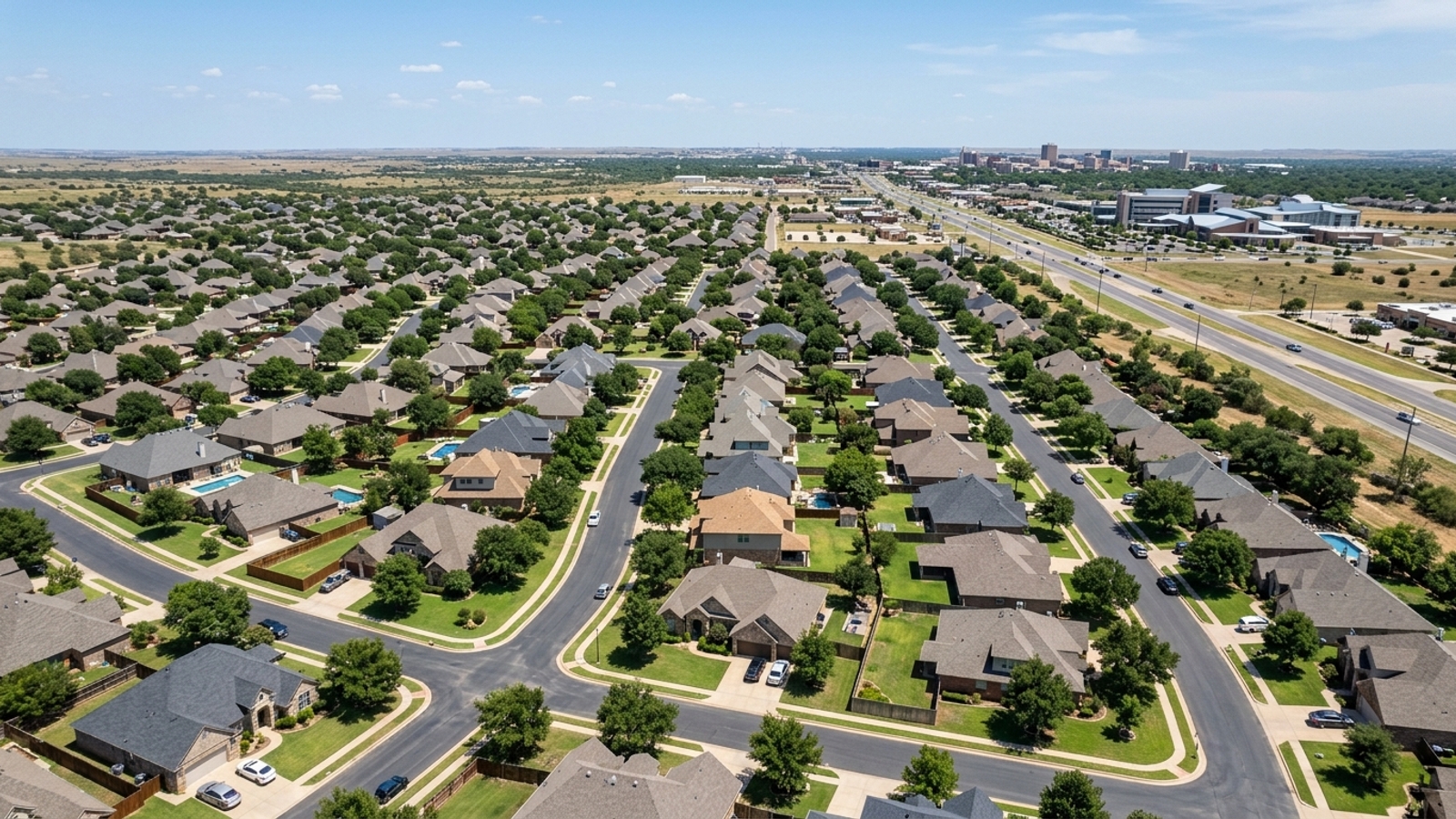
Near the downtown Hendrick Medical Center and the Hardin-Simmons University corridor, the market leans heavily toward rentals. In the nearby Abilene Heights neighborhood, about 60.2% of residents are renters, and the area features a mix of apartments, duplexes, and converted homes. The southern medical district is a different story entirely - mostly suburban single-family subdivisions with more traditional neighborhood layouts compared to the denser, mixed-use streets near the downtown campus.
Single-Family Homes
Near the downtown Hendrick Medical Center corridor, median home prices run roughly $120,000 to $230,000. The adjacent Abilene Heights area has seen a median sale price of around $239,500 over the past year. Properties near Hendrick Medical Center South tend to align more closely with - or exceed - the citywide median of $275,000, and these southern subdivisions typically offer larger lots and newer construction than the historic homes near the city center.
Condos and Townhomes
Large apartment complexes make up about 16.8% of the city's housing stock, and duplexes account for another 7.8%. Attached units are more common around the downtown hospital campus, and for medical staff working long shifts, the reduced exterior upkeep is a real draw.
Investment Properties and Mid-Term Rentals
The consistent demand for short-to-medium-term housing makes the downtown corridor attractive for rental conversions. With homes in the North College area priced below the citywide median, investors can often acquire properties without overextending - though you'll want to review local zoning laws before assuming your rental strategy is permitted.
Commuting to the Medical Centers
Abilene's CityLink bus system serves both medical districts. Route 12 connects Downtown, the Taylor County Courthouse, and Hendrick Medical Center, and also links to Texas Tech University Health Sciences Center and Hardin-Simmons University - making it the primary transit line for the northern hub. Saturday commuters in that area can use routes S21 and S30, which also stop near the hospital.
For the southern campus, CityLink Route 3 serves Hendrick Medical Center South and Hendrick Medical Emergency Care, offering an alternative to driving for staff living along the Pine Street or Zoo corridors.
If you're driving, proximity to I-20 or US Highway 83/84 is what determines your morning commute more than anything else. Homes just off those major arteries give you the most direct route to either campus - which matters considerably when you're heading in for an early shift or leaving after a late one.
Starting Your Home Search Near a Medical Center
With roughly 186 homes currently available in Abilene's inventory, this isn't a market where you browse casually for a few months. Homes are selling in an average of 20 days, and sellers are receiving about 99.6% of their list price. Have your financing sorted before you start touring.
Decide early whether you want the suburban layout near the southern campus or the mixed-use environment downtown - those are genuinely different living situations, not just geographic preferences. Focusing your search within a specific radius of your workplace will filter out a lot of properties that look good on paper but add real time to an early morning commute. A local agent can help you map that out quickly.
Frequently Asked Questions
Which Abilene neighborhoods are best for buyers wanting a short commute to Hendrick Medical Center?
It depends on your housing preference and which campus you work at. The North College area and Abilene Heights offer very short commutes to the downtown campus, with a mix of single-family homes and rentals. If you're after newer suburban homes, focus on the subdivisions near Hendrick Medical Center South on US Highway 83/84.
Does living close to a hospital in Abilene, TX negatively impact property values due to ambulance noise?
No. Proximity to major medical centers like Hendrick Health generally supports steady property values. Homes directly on emergency routes like Pine Street or Antilley Road do experience more siren noise, but the strong demand from medical staff and investors helps maintain local home prices.
How do home prices compare between the Hendrick Medical Center North and South campus areas in Abilene?
The downtown campus area is generally less expensive. Median prices near the downtown Hendrick Medical Center run roughly $120,000 to $230,000, while homes near the South campus often align with or exceed the citywide median of $275,000.
Are there special home loan programs for doctors and nurses relocating to work at Abilene hospitals?
It depends on the lender you choose. There are no city-specific loan programs just for Abilene, but many national lenders offer specialized physician or medical professional loans that allow doctors to purchase a home with a lower down payment.
What are the best options for traveling medical staff looking for short-term housing near Abilene hospitals?
The downtown corridor has the highest concentration of rental options. In neighborhoods like Abilene Heights near the main Hendrick Medical Center campus, about 60.2% of residents are renters, and the area features numerous apartments and converted duplexes suitable for mid-term stays.
How can I check if a home I want to buy is on a primary emergency route for Abilene hospitals?
Review the property's proximity to major access roads like US Highway 83/84, Interstate 20, and Pine Street. Your real estate agent can also check local municipal maps to confirm whether the street is designated as a primary emergency response route.

Amber Kimmel
| Kimmel Collective Real Estate Team | Keller Williams Realty
or another way