
Categories
Abilene, TXPublished September 1, 2026
Employment Trends and the Job Market in Abilene, TX for 2026

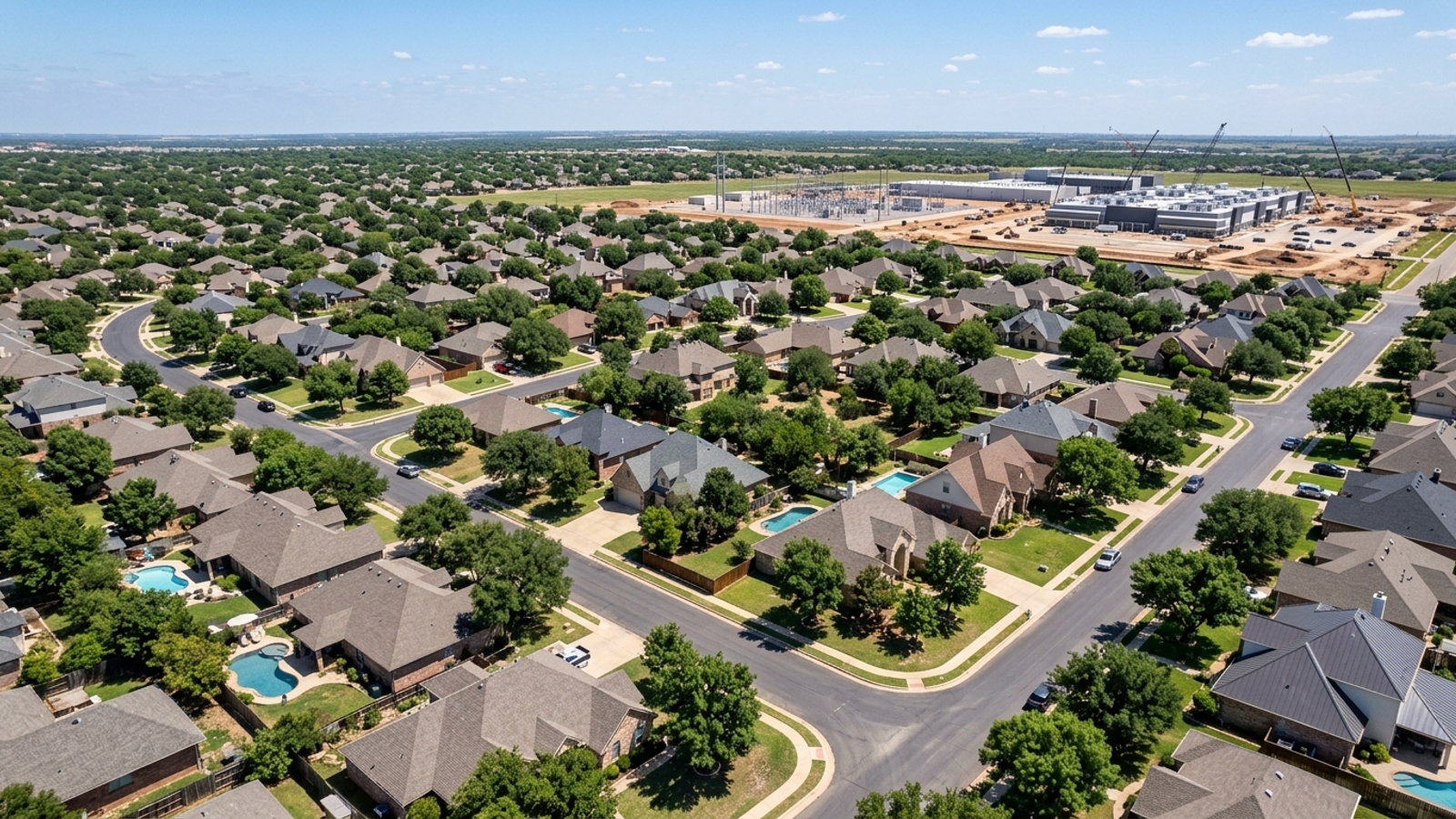
Abilene is growing at about 0.94% annually, with the population up over 6% since the 2020 census. Between 2010 and 2024, the city added more than 12,000 residents - rising from 117,805 to 130,501 - and that momentum is still running. Healthcare, education, and the military are doing most of the heavy lifting, and the hiring patterns that follow from those anchors are exactly what you'd expect: steady, institutional, and largely recession-resistant. This consistent job market is a significant factor for anyone weighing the pros and cons of living in Abilene.
If you're looking at buying here, the median home price sits around $275,000 as of mid-2026. Before you lock in a budget, it's worth understanding what local wages look like and which employers are actually driving demand. The answer isn't just oil and military - West Texas is changing faster than most people outside it realize.
Current Employment Trends in Abilene
Taylor County's labor market doesn't boom and crash the way resource-dependent regions do. The employment base is built on established institutions rather than speculative industries, and that shows up in the numbers. The unemployment rate in the Abilene, TX metro area was 3.2% in March 2026. City-level estimates dip even lower - as low as 2.7% - which tells you employers are genuinely competing for workers right now, not the other way around.
That kind of tight labor market has real implications for anyone relocating here. You're not arriving into a soft economy.
Population Growth and Job Availability
The population growth itself generates jobs - retail, construction, and service roles that expand to serve the incoming residents. Healthcare, education, and defense remain the most consistent sectors for hiring, but the growth cycle feeds everything around them too.
Local Unemployment Rates Compared to Texas
Abilene's metro unemployment rate historically runs below the statewide figure. For context, the statewide Texas unemployment rate was 4.4% in June 2026. That gap matters: job seekers in Taylor County tend to face less competition for open roles than they would in larger metros like Dallas or Houston.
Texas Employment Snapshot
Texas as a whole keeps pulling relocations from out of state, and the reasons aren't hard to see. The statewide economy adds jobs across energy, technology, and healthcare at a pace most other states can't match, and that health filters down to regional markets like Taylor County.
The 2026 picture shows continued movement toward advanced manufacturing, renewable energy, and digital infrastructure. Those aren't abstract trends from Austin - they're showing up in hiring announcements right here in West Texas.
Statewide Hiring in 2026
Across Texas, demand is running strong for healthcare professionals, tradespeople, and logistics coordinators. State job announcements regularly feature administrative and regulatory openings that offer stable benefits and competitive pay - pay levels that tend to pull private-sector wages upward throughout the state.
Growing Industries and Available Jobs in Abilene
Agriculture and oil are still part of West Texas's identity, but the modern Abilene job market has moved well past those two pillars. Engineering, data management, and specialized manufacturing roles that simply didn't exist here a decade ago are now legitimate local options.
That shift matters if you're weighing a move and wondering whether you'll find work in your field.
Fast-Growing Sectors in West Texas
The biggest headline right now is digital infrastructure. Crusoe Energy Systems is building a large AI data center campus in Abilene with plans to scale to 1.2 gigawatts. That project generates immediate construction jobs and, longer term, sustained technical positions.
Renewable energy is the other major growth driver. Abilene sits in the West Texas wind corridor, and wind energy companies - alongside advanced manufacturing and food processing firms - are consistently hiring technicians, plant managers, and equipment operators.
Largest Employers in Taylor County
A handful of anchor institutions do most of the economic heavy lifting here, and their hiring cycles track directly to real estate activity. Local housing inventory currently sits at roughly 186 available homes, and homes are spending a median of just 20 days on the market before going under contract. When a major employer expands, that inventory moves fast.
Major Private Companies Hiring
On the white-collar and medical side, Hendrick Health System, Abilene Christian University, and Blue Cross Blue Shield of Texas employ a significant share of the city's workforce. For industrial roles, AbiMar Foods, RENTECH Boiler Systems, and Great Lakes Cheese operate large facilities in the area - with positions ranging from entry-level production work through advanced logistics management.
Public Sector and Military Anchors
Dyess Air Force Base is the dominant force in the local public sector. The base employs thousands of military personnel and civilian contractors, and the constant rotation of service members keeps housing demand consistent year-round. It's one of the reasons the rental market here stays active even when broader conditions soften.
Salaries and Housing Costs in Abilene
A salary offer looks different depending on where you're spending it. Wages in West Texas run lower than coastal metros on paper, but the purchasing power here is a different conversation entirely.
Recent estimates put the median household income in Abilene between $62,648 and $64,437.
Earning Potential and Real Estate
At a median home price of roughly $275,000, homeownership is within reach for dual-income households earning the local median wage. For renters, the median runs around $1,106 per month - about 5% below the national average, which gives you real room to build savings toward a down payment.
Earning Potential Without a Degree
You don't need a four-year degree to earn well in Taylor County. The energy sector, commercial trucking, and skilled trades are among the top-paying fields in Texas for workers without a college credential. Local manufacturing plants and wind farms offer competitive hourly rates plus overtime that can push annual earnings well above the city's median household income.
Government Roles and Remote Work Options
Local government jobs - with the City of Abilene and Taylor County - appeal to buyers who want long-term stability. Administrative, maintenance, and public safety roles come with solid benefits and predictable schedules, which matters when you're planning a mortgage payment.
Remote work has added another layer to all of this. Buyers with out-of-state salaries are arriving here and stretching their income against local prices - and that shows up in the data. About 30% of local homes currently sell above list price.
State and Municipal Openings
The City of Abilene's municipal job portal and Taylor County's career pages are the right places to watch for local government openings. The State of Texas also posts remote-eligible roles that let residents work for agencies in Austin while living at West Texas cost-of-living levels - a combination worth looking at seriously.
Resources for Finding Work in Abilene
Relocating means rebuilding your professional network from scratch, and that takes time. The local resources here are structured to shorten that gap, whether you need work immediately or want to retrain for a different field.
Don't wait until after the move to start. The Texas Workforce Commission operates local offices connecting residents directly with employers hiring now. For specialized training, local technical colleges and workforce programs offer certifications in high-demand fields - commercial driving, nursing, industrial maintenance - tailored to what regional employers are actually asking for.
Local Job Boards and Training
The Texas Workforce Commission is the most direct starting point. Beyond immediate job placement, local technical programs build the credentials that wind energy, healthcare, and manufacturing employers specifically recruit for. If you're planning a career shift, those certifications are worth mapping out before you relocate.
Frequently Asked Questions
Who are the biggest employers driving the housing market in Abilene, TX?
Dyess Air Force Base is the largest public-sector employer, and military relocations generate consistent real estate activity throughout the year. In the private sector, Hendrick Health System, Abilene Christian University, and Blue Cross Blue Shield of Texas employ thousands of local residents.
How does the average local salary in Abilene compare to current median home prices?
The median household income in Abilene is approximately $62,648 to $64,437. With the median home sale price sitting around $275,000 in 2026, housing remains relatively affordable for households earning the local median wage.
What are the best neighborhoods to look in for a quick commute to Dyess AFB or Hendrick Health?
For Dyess Air Force Base, map the drive to the southwest side of the city before you decide on a neighborhood. For Hendrick Health System, check travel routes into the city's main medical district - commute time varies more than people expect depending on where exactly you land.
Are there any new major companies moving to Abilene that could boost future property values?
Crusoe Energy Systems is currently building a large AI data center campus in the city, with plans to scale to 1.2 gigawatts. The technical jobs that follow from that project could meaningfully increase local housing demand over time.
Is the Abilene economy and job market too reliant on the military or oil industries?
Dyess Air Force Base is a massive economic driver, no question. But the economy around it is actively diversifying - advanced manufacturing, food processing at facilities like Great Lakes Cheese, and renewable wind energy are all growing parts of the picture now.
Does Abilene offer good infrastructure and affordable real estate for out-of-state remote workers?
The numbers work well for remote workers. Median home values are around $275,000 and median rents run near $1,106 per month - both well below national averages. The expanding digital infrastructure in the city, including the Crusoe Energy Systems data center campus, is improving the technical foundation that remote work depends on.

Amber Kimmel
| Kimmel Collective Real Estate Team | Keller Williams Realty
or another way