
Categories
Abilene, TXPublished September 1, 2026
What to Expect from the Year-Round Climate in Abilene, TX

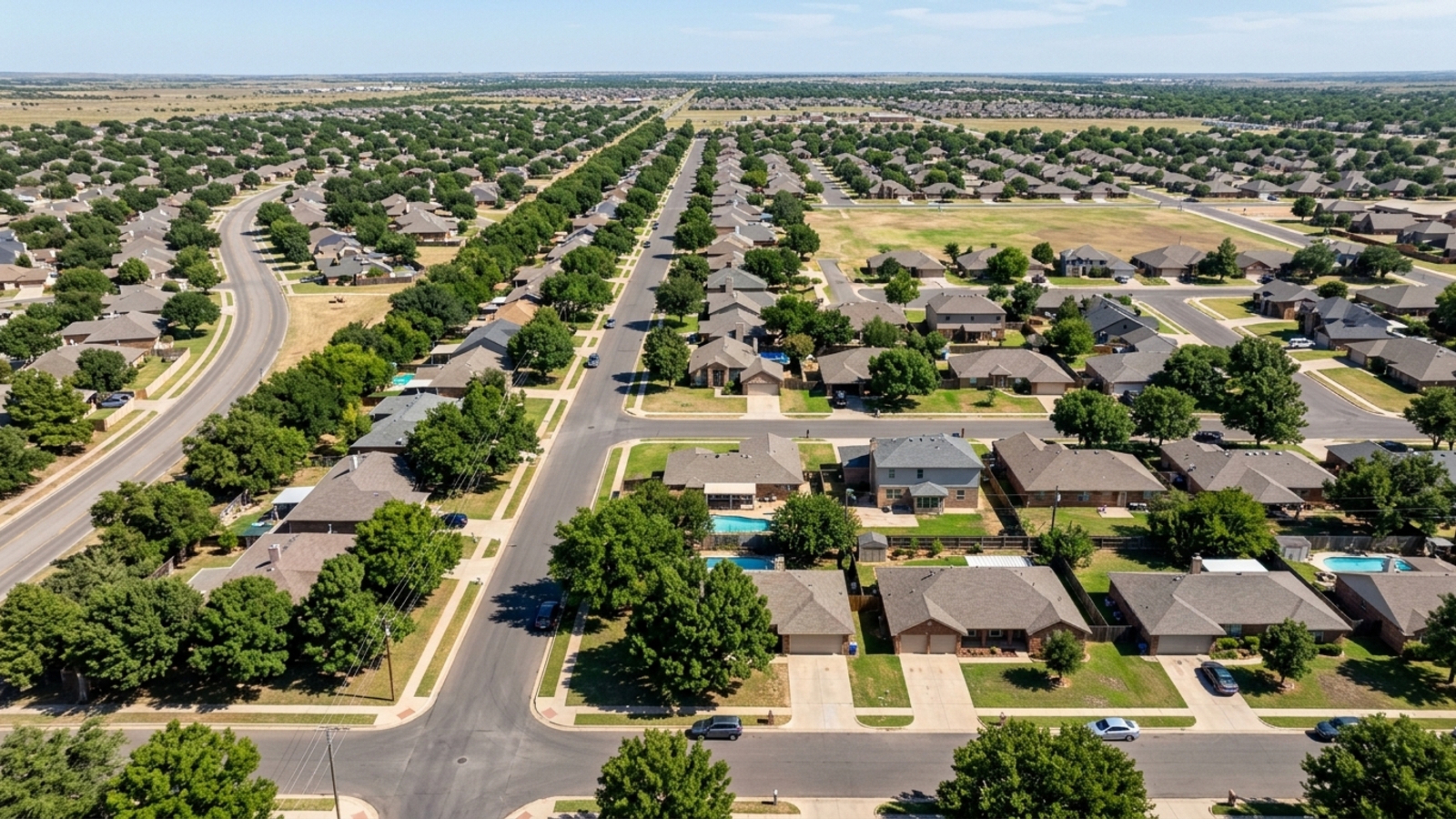
Abilene sits at about 1,770 feet above sea level in West Texas - higher than most buyers realize - and that elevation shapes everything about how the weather actually feels day to day. Hot summers, brief winters, and a spring storm season that gets your attention fast. Before you commit to a relocation, it's worth understanding the pros and cons of living in Abilene, TX.
The median home price in Abilene, TX is around $275,000, and available homes spend roughly 20 days on the market. Knowing the temperature swings, rainfall averages, and storm seasons helps you plan your move and figure out what your new property is going to need.
Abilene, TX Climate Classification
Under the Köppen system, Abilene carries a Cfa classification - humid subtropical, no distinct dry season. The annual average temperature runs between 64.5 and 66 degrees.
Don't let "humid subtropical" throw you. That label makes people picture Houston or Beaumont, but Abilene's inland position and 1,770-foot elevation keep the air considerably drier than eastern Texas. It's its own thing.
A Season-by-Season Look at Abilene Weather
January is the coldest month, with overnight lows averaging 33 degrees and daytime highs around 58. Freezes are routine, not occasional. Summer pushes residents indoors and drives up utility bills in a way that catches first-time buyers off guard.
Spring and fall are where Abilene shines. April averages highs around 78 degrees with lows near 45 - genuinely comfortable weather for being outside.
Summer Heat and Winter Cold
July is generally cited as the hottest month, with an average temperature around 83.6 degrees. Daytime highs in July range from 95 to 104 degrees depending on the measurement period, though some sources note August can edge out July with an average high of 95.5 degrees. Either way, it's serious heat.
December and January deliver the coldest stretch of the year. December highs average 56 degrees, with lows matching January at 33 - which means overnight freezes happen regularly through the winter months.
Rain, Snow, and Humidity Levels
The National Weather Service reports a 1991-2020 normal annual rainfall of 25.24 inches for Abilene, with other climate data sources placing the yearly total in the 24 to 26-inch range. Precipitation spreads fairly evenly across the year rather than concentrating in one wet season.
Relative humidity averages around 57 percent overall. May is the most humid month at about 59 percent; August is the least humid at roughly 47 percent - which is notable, because August is also one of the hottest months. That combination makes the heat feel a bit more bearable than the numbers suggest.
Annual Snowfall Expectations
Snow does fall here. The National Weather Service lists Abilene's average seasonal snowfall at 4.9 inches, though several other climate sources cite roughly 3 inches per year. When winter storms bring snow or ice, it typically melts within a few days - but it can disrupt traffic and close businesses while it lasts. If you're moving from a northern state, you'll adjust quickly. If you're not, you'll want to know it happens.
Severe Weather and Environmental Hazards
Thunderstorms, hail, and the occasional tornado are part of life in this part of Texas. Spring brings the highest concentration of volatile storm systems, and this region takes that seriously.
Extreme heat and wildfire risk round out the picture. Extended summer dry spells combined with high temperatures create conditions where brush fires can start and spread fast in the surrounding rural areas - something property owners on the edges of town need to think about.
Protecting Your Property
Roof damage from hail is one of the most common insurance claims in West Texas. On an older home, replacing the roof can be an immediate out-of-pocket expense, so factor that into your budget before you close.
Beyond insurance, look at drainage. Abilene gets heavy downpours that arrive quickly, and a property without adequate drainage will show you the problem fast. Maintaining defensible space around the home also matters for wildfire risk during the hottest months - clear it out and keep it that way.
Timing Your Move and Real Estate Search
With 183 homes sold recently and roughly one month of supply, the Abilene market moves quickly no matter what time of year it is. That said, scheduling a move during peak July or August heat - when you're looking at 100-degree moving days - takes real planning. It's manageable, but it's not comfortable.
April and October are the practical sweet spots. Mild temperatures make touring homes easier and the physical move far less punishing.
One thing buyers often overlook: if you're using storage during a transition, secure climate-controlled storage in Abilene, TX. Standard units can easily exceed 110 degrees in summer, and that temperature ruins electronics, wooden furniture, and artwork faster than you'd expect.
Frequently Asked Questions
How do Abilene's extreme heat and drought cycles affect home foundations?
Intense heat and dry spells cause the soil around a house to shrink and shift. Homeowners should water their foundations during extended summer droughts to prevent cracking and structural movement.
Will I need specialized wind or hail insurance when buying a home in Abilene, TX?
Standard homeowner policies often include separate deductibles for wind and hail damage rather than requiring a completely separate policy. Review those specific coverage limits carefully - hail storms are a regular occurrence in this region, not a rare event.
What happens if a hail storm damages the roof while my Abilene house is under contract?
The seller remains responsible for the property until closing and will typically file an insurance claim to repair the damage. Buyers and sellers negotiate how to handle the deductible or repair timeline before finalizing the sale.
What is the best time of year to list a house in Abilene to avoid severe weather disruptions?
Early spring or mid-fall. That keeps you clear of both the peak severe thunderstorm season and the extreme July heat, and those milder months make it easier for buyers to attend open houses.
What energy-efficient home features are most important for handling Abilene's summer temperatures?
High-quality attic insulation and double-pane windows do a lot of work against the 95 to 104-degree July highs. An efficient HVAC system isn't optional here - it's what keeps cooling costs from getting out of hand during the long summer.
Are there specific flash flood zones in Abilene I should check before buying a property?
Certain low-lying areas can flood during sudden, heavy thunderstorms that drop several inches of rain at once. Review FEMA flood maps and ask your agent about the property's drainage history before you make an offer.

Amber Kimmel
| Kimmel Collective Real Estate Team | Keller Williams Realty
or another way